English
 Deutsch
 Nederlands
 norwegian
 Español


The Future is Electric Public transport
6/3/2024
Usually, when thinking about electric vehicles, personal cars are the first things that come to mind. However, if we are working towards creating a truly sustainable transport industry the end-goal should focus on providing an extensive public transport sector that is fully electric. There has already been substantial growth in the transition towards a more greener public transport system, in this article we will focus on this expansion and, with particular focus on the rise of electric buses, what that means for the industry in the future.
Across the world, public transport is an important industry and one that is growing. Several factors feed into this rise such as lower financial costs, increased accessibility, and convenience but increasingly this rise is also being attributed to it being the more sustainable transport option. Whilst opting for public transport is already a greener way to travel, if the public transport industry fully transitions to e-mobility, these benefits could be tenfold. There are more than just the obvious environmental benefits such as lower emissions and better air quality of the e-mobility transition of the public transport sector, however. Electric transport has several benefits that have, sometimes coincidentally, emerged. As opposed to traditional internal combustion engines, for instance, the batteries that power EVs provide a much quieter driving experience. This substantial decrease in noise pollution produced by EVs. With the large-scale adoption of electric buses and other modes of electric transport quickly spreading across the world’s busiest cities, a much quieter future on our roads looks possible. Alongside these benefits, several operational benefits have been reported in the long run for an electric fleet of buses. Lower maintenance and running costs can be attributed to factors such as the economic cost of electricity versus traditional fuels.
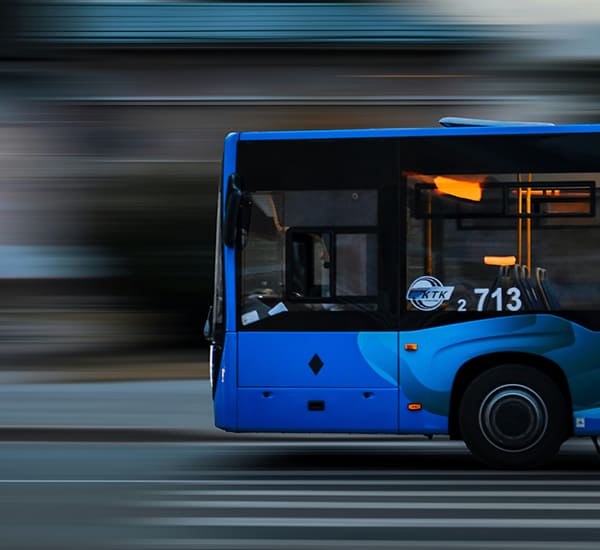
Key steps to ease the transition to electric transportation systems
- Charging infrastructure: An integral element in successfully transitioning to electric buses is investing in robust charging infrastructure. Creating a vast network of charging stations that are strategically located along bus routes to provide convenient and efficient charging systems helps the overall efficiency of the system.
- Collaboration with industry partners: Often with public transport networks, there are already key players in the sector that have a significant impact on the success of large-scale projects such as the transition to e-mobility. Working together with industry partners like bus manufacturers and technology providers means that the transition can be as successful as possible. Can be created and tailored to the location’s individual needs. In this way, the performance and overall reliability of fleets of public transport can be optimized.
- Public Awareness: An important part of the transition to e-mobility is to increase public understanding of it. Outreach and education campaigns can improve the appeal of electric mobility. Having a more positive perception in the public helps to increase traffic on these modes of transport as well as helping to boost potential future investment in the sector as a whole.
- Policy Support: Government bodies are integral in facilitating successful public transport networks, no less so than with the transition to e-mobility. Incentives, subsidies and regulatory measures such as zero-emission zones in cities and mandates for public transport fleets to include a certain percentage of EVs are incredibly important to give the large-scale companies directly impacted by the transition an impetus to invest.
- Forward-thinking: As the EV industry is quickly evolving, new technology is frequently developing, for the most effective public transport network the infrastructure must be adaptable to future developments. For instance, the integration of these large-scale EV charging networks with renewable energy sources such as solar and wind power can help to create an even more sustainable transport system. Technological advancements like vehicle-to-grid integration and wireless charging will further improve the overall efficiency of electric buses.
What does the future of public transport look like?
In recent years there has been an impressive increase in the number of electric bus registrations in Europe. For example, whilst in 2020 the share of buses was just 15% by 2023 this had increased substantially to just over 42%. This growth is significant and shows no sign of stopping soon. A recent study suggested that between 2023-2028 the rise in the market is expected to grow annually by 13.6%. While these figures are important for demonstrating the general trends that are being seen worldwide, it is important to also highlight what this means in terms of sustainability. One electric bus emits 62% fewer emissions than a typical internal combustion engine bus, if that number is multiplied across a whole fleet of electric buses such as those seen in many major cities across the world today, it is easy to see why developing this sector further is an important step for achieving low-carbon goals.How to successfully provide electric vehicle transportation
How viable is a full transition to electric buses? Today there is a large number of case studies that have paved the way for a successful transition to an electric public transport system. Below are some key factors that should be taken into account when working to successfully integrate electric buses into wider public transport networks.Key steps to ease the transition to electric transportation systems
- Charging infrastructure: An integral element in successfully transitioning to electric buses is investing in robust charging infrastructure. Creating a vast network of charging stations that are strategically located along bus routes to provide convenient and efficient charging systems helps the overall efficiency of the system.
- Collaboration with industry partners: Often with public transport networks, there are already key players in the sector that have a significant impact on the success of large-scale projects such as the transition to e-mobility. Working together with industry partners like bus manufacturers and technology providers means that the transition can be as successful as possible. Can be created and tailored to the location’s individual needs. In this way, the performance and overall reliability of fleets of public transport can be optimized.
- Public Awareness: An important part of the transition to e-mobility is to increase public understanding of it. Outreach and education campaigns can improve the appeal of electric mobility. Having a more positive perception in the public helps to increase traffic on these modes of transport as well as helping to boost potential future investment in the sector as a whole.
- Policy Support: Government bodies are integral in facilitating successful public transport networks, no less so than with the transition to e-mobility. Incentives, subsidies and regulatory measures such as zero-emission zones in cities and mandates for public transport fleets to include a certain percentage of EVs are incredibly important to give the large-scale companies directly impacted by the transition an impetus to invest.
- Forward-thinking: As the EV industry is quickly evolving, new technology is frequently developing, for the most effective public transport network the infrastructure must be adaptable to future developments. For instance, the integration of these large-scale EV charging networks with renewable energy sources such as solar and wind power can help to create an even more sustainable transport system. Technological advancements like vehicle-to-grid integration and wireless charging will further improve the overall efficiency of electric buses.